
Month-end close checklist: owners, evidence and sign-off
The bank feed is fully matched and the draft reports are ready, but a contractor's bill for work finished in the last week of the month has not arrived. The feed cannot show it, because no money has moved. A close is ready for sign-off when someone who did not prepare it can trace each reported balance to a schedule and its source records, and can see every unresolved item with its amount and owner.
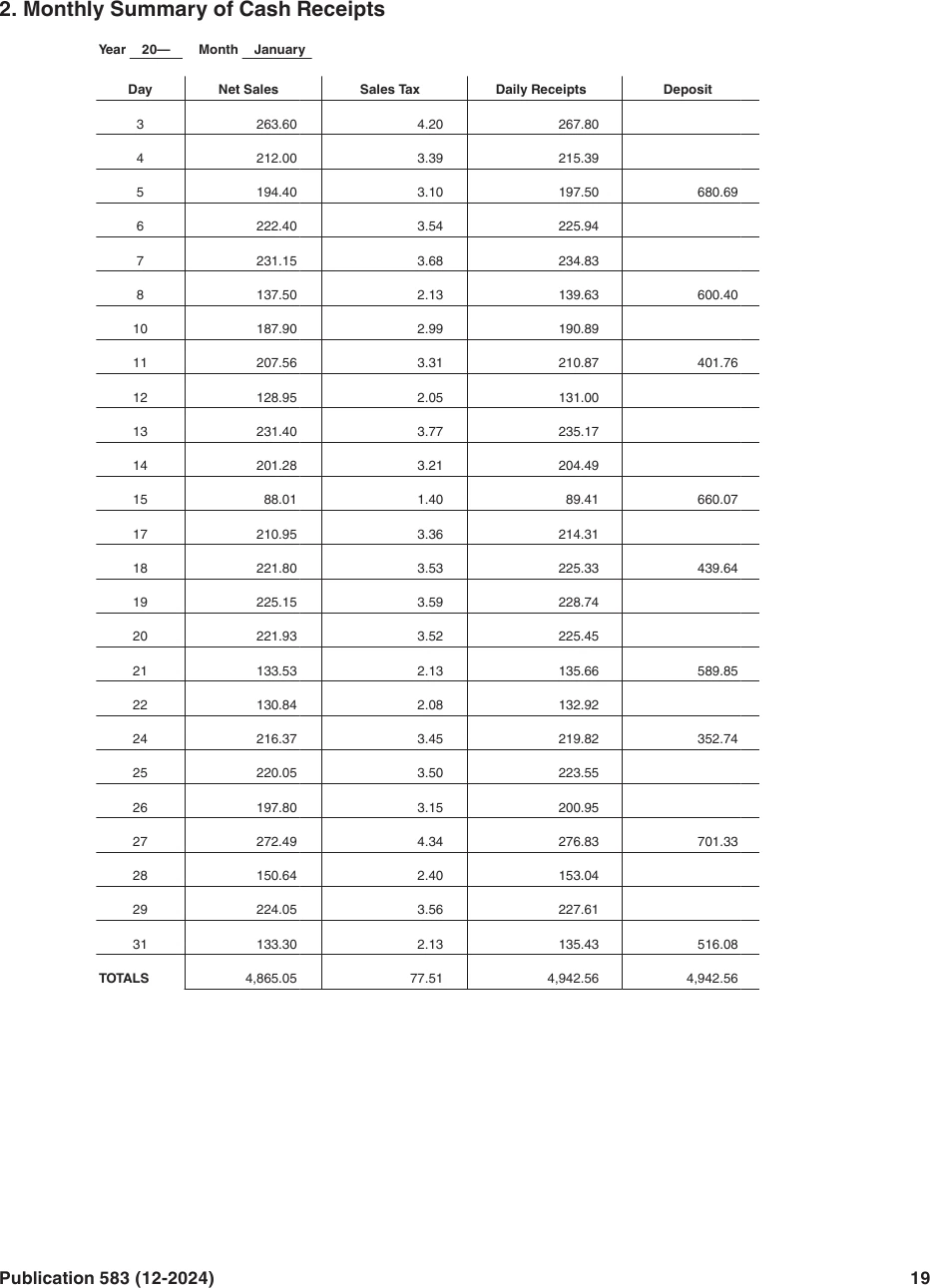
What a matched bank feed does not show
A bank feed records money that has already moved. It cannot show a bill not yet received, work not yet invoiced or wages earned but unpaid at month end. They need records or estimates outside the bank feed.
In a US federal tax context, the IRS notes that purchases, sales and payroll generate the supporting documents used to record entries in the books. Xero's bank reconciliation guide explains that software can pull in transactions and suggest matches, but the user still has to check each proposed match and account. Treat the feed as a way to save typing, and keep the review as a separate task.
Sources and context, checked :
Set the boundary first
Agree the entity, month, accounting basis and reporting currency before handing out tasks. List every bank account, card, payment platform and payroll run in scope, and name who approves journals and who releases the final pack. Inventory, several entities or foreign currency add work, so ask the responsible accountant which policies apply.
The checklist
Attach the evidence to each task. A reviewer needs the schedule, the source records behind it and a note of what was checked, not just a completed status.
| Task | Evidence the reviewer should see | Usual owner |
|---|---|---|
| Collect records | Statements for every account, sales and purchase records, payroll reports and a list of anything still missing | Business contact |
| Reconcile cash | A reconciliation for each bank, card and payment account, with the statement and a dated list of outstanding items | Preparer |
| Agree receivables and payables | Aged lists that tie to the ledger, plus work not yet invoiced and bills not yet received | Preparer |
| Agree payroll and tax balances | Control accounts tied to the payroll and tax reports for the period | Preparer |
| Post adjustments | Each journal with its calculation, supporting document and approval | Responsible accountant |
| Explain movements | Comparison with last month and budget, with reasons for significant changes | Finance lead |
| Approve the pack | A dated version, the open-items log and the approver's name | Designated approver |
- Opening balances agree to the approved accounts for the previous month.
- Every schedule ties to the ledger version used for the reports.
- Estimates and late information are flagged so the reviewer knows their limits.
Keep the missing bill visible
Return to the contractor's bill and suppose, hypothetically, that the quote was 4,500. The person who ordered the work confirms it was finished before month end and supplies the quote. The responsible accountant decides, under the business's accrual policy, whether to record an estimate. If an accrual is posted, the journal points to the quote and is reversed or matched when the real bill arrives.
Either way, the item goes on the open-items log with its amount, cause, evidence still needed, owner and next step, and stays there until the bill arrives and agrees. Do not post an unexplained balancing journal to make the checklist look complete. It hides exactly what the reviewer needs to see.
The sign-off test
Before approving, the reviewer picks one reported balance, such as trade payables, follows it to the aged list and then to a supplier statement or bill, and reads the open-items log. Questions along the way are normal. Before approval, the responsible accountant should resolve each material gap or decide and record its accounting treatment, with any remaining follow-up on the log. Once the pack is approved, record the version date and approver, and agree how later corrections will be made so the closed month does not change silently.
Before this month's close, add one step to the timetable: on the last working day, ask everyone who orders supplier work to list jobs finished but not yet billed, and put each one on the open-items log.