
Restoration obligations: asset cost, provision and the cost of time
A plant costs £100,000 to buy and install, but also creates a present obligation to restore its site. The qualifying restoration amount can increase both the asset and a provision on day one. A year later, the discount unwind is a finance cost. A revised settlement estimate is a different movement and can change the asset cost.
Establish the obligation before adding a cost
For owned plant under UK-adopted full IFRS, IAS 16 includes the initial estimate of qualifying dismantling, removal and site-restoration costs. Obligations incurred through inventory production follow the relevant inventory rules instead. This is not permission to capitalise every future site expenditure.
IAS 37 requires a present legal or constructive obligation from a past event, a probable outflow and a reliable estimate. A budget for future work is insufficient by itself. When the time value of money is material, discount the obligation using an appropriate current-market pre-tax rate without counting the same risk in both the cash flows and the rate.
Recognise plant cost and the discounted provision
All amounts, dates and rates here are hypothetical. Owned plant is ready for use on 1 January 2026. Its qualifying purchase and installation cost is £100,000. Acquisition and installation create an evidenced restoration obligation meeting IAS 37, expected to settle at the end of year five.
Assume settlement cash flows of £25,525.63 and a supported 5% pre-tax discount rate consistent with those cash flows. Initial present value is approximately £20,000. The 5% rate is an illustration, not a prescribed UK rate.
Record Dr property, plant and equipment £120,000; Cr cash or payable £100,000; Cr restoration provision £20,000. Assume the IAS 16 cost model, five years of useful life, nil residual value and straight-line depreciation. Year-one depreciation is £120,000 / 5 = £24,000, leaving the asset at £96,000. Grants, reimbursements, impairment and tax entries are outside the example.
Sources and context, checked :
Separate time passing from changed expectations
One year of discount unwind adds £20,000 × 5% = £1,000 to the provision, taking it to £21,000. Record Dr finance cost £1,000; Cr provision £1,000. IFRIC 1 requires this periodic unwind in profit or loss as a finance cost; it is not another amount to capitalise under IAS 23.
Immediately at the start of year two, assume supported revised settlement cash flows increase the present liability to £25,000. Timing and the discount rate remain unchanged. The estimate change is £4,000, separate from the preceding £1,000 unwind.
Under the cost-model rules, record Dr plant £4,000; Cr restoration provision £4,000. The plant now carries £100,000. Over its four remaining years, revised annual depreciation is £25,000. Consider whether the addition indicates that the new carrying amount may be unrecoverable and requires impairment testing.
| Movement | Provision | Asset treatment in this cost-model example |
|---|---|---|
| Initial recognition | £20,000 | Add £20,000 to plant cost |
| Year 1 time unwind | Add £1,000 to reach £21,000 | No addition; recognise finance cost |
| Start year 2 estimate change | Add £4,000 to reach £25,000 | Add £4,000 to the £96,000 carrying amount |
Sources and context, checked :
Keep the model and limits visible
IFRIC 1 normally adjusts a cost-model asset for changes in an existing obligation's estimated amount, timing or discount rate. A reduction cannot reduce the asset below zero; any excess enters profit or loss. Revalued assets follow different rules, and liability changes after the asset's useful life has ended enter profit or loss.
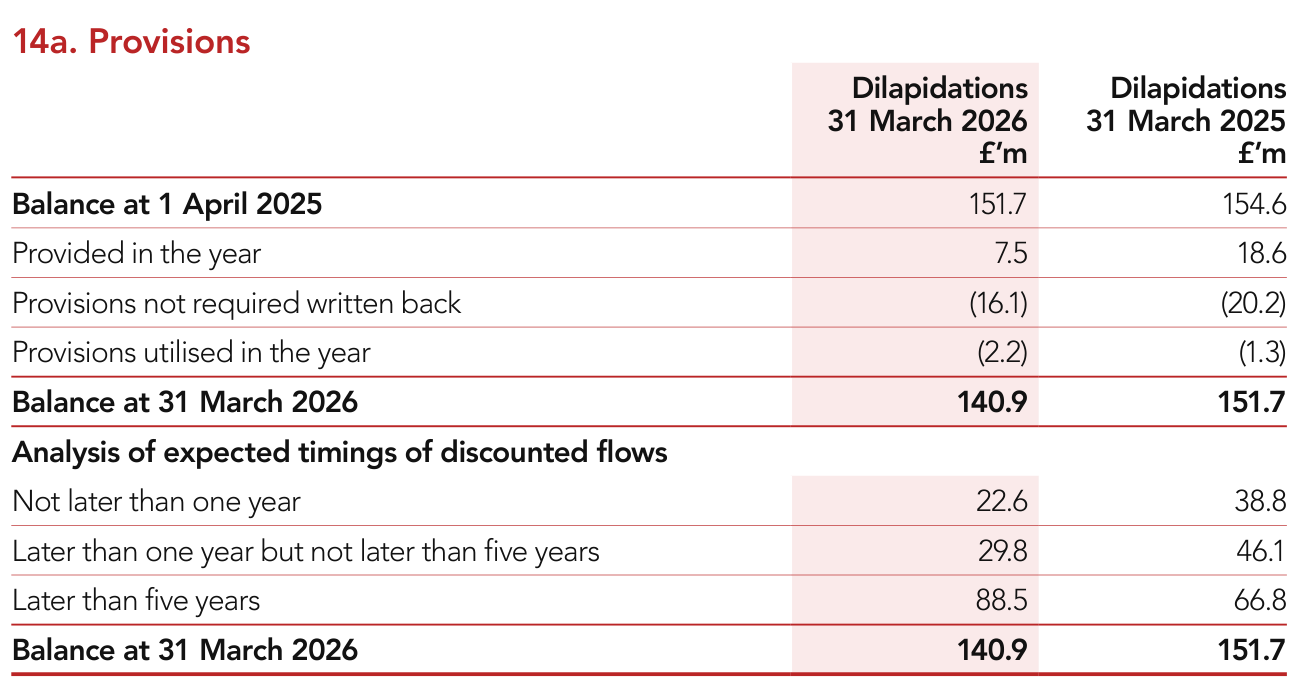
A useful reconciliation shows the opening provision, time unwind, estimate or rate changes, payments and closing amount separately. Keep the obligation evidence, settlement assumptions and discount-rate support with it. Update remaining depreciation and assess tax separately. A provision rollforward and an asset rollforward should explain the same transaction without treating every provision increase as asset cost.