
US employee expense advances: close each one with evidence or a return
Imagine a US employer that advances an employee $1,000 for a client trip. After the trip, the expense folder explains $850 of hotel, train and meal costs. The remaining $150 is the problem. Until it is either substantiated as a business expense or paid back, the advance is still open, and calling the original transfer a reimbursement does not settle its federal payroll treatment. This article covers federal employer rules only; state reimbursement requirements can differ.
What an accountable plan requires
IRS Publication 15 (2026) sets three requirements for an accountable plan: the expenses must have a business connection, the employee must substantiate them within a reasonable period, and the employee must return any excess within a reasonable period. Amounts paid under a plan meeting these rules are not wages and are not subject to federal income tax withholding or to Social Security, Medicare and FUTA taxes.
Publication 15 says a reasonable period depends on the facts and circumstances, and it describes safe harbor timing methods, so no single deadline fits every arrangement. A policy title alone does not make a plan accountable, and an amount that would otherwise be paid as wages does not become a reimbursement by being renamed. Payments under a nonaccountable plan are wages.
Sources and context, checked :
What substantiation has to show
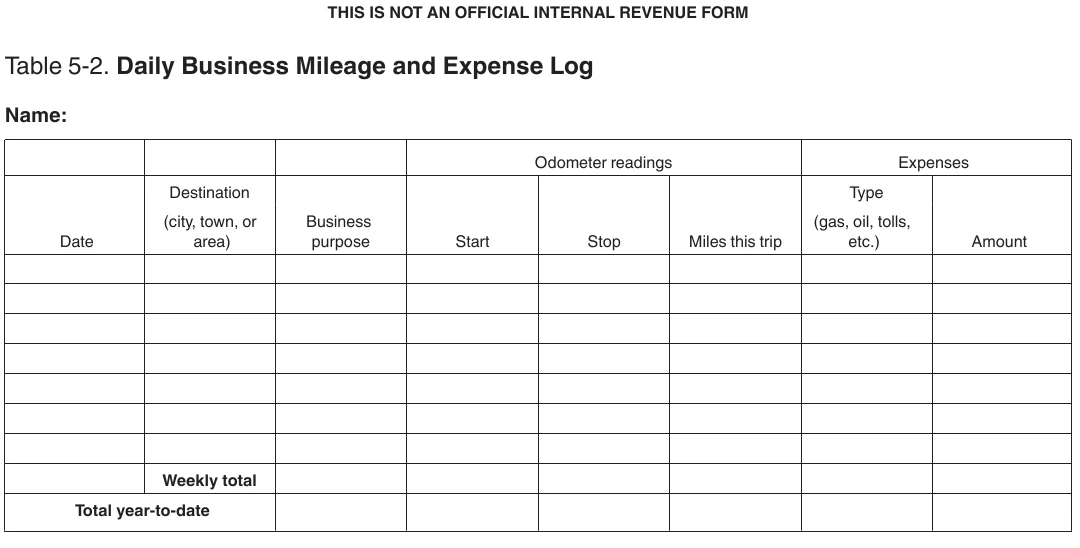
IRS Publication 463 (2025 edition), which covers travel, gift and car expenses, explains that records and documentary evidence work together to support an expense. The details that matter include the amount, the time, the place or a description, and the business purpose, and requirements vary by type of expense. The publication includes exceptions to the documentary evidence rules and special allowance methods, so it does not follow that every dollar needs a paper receipt. It also says a canceled check alone does not prove a business purpose.
A manager's approval and the bank transfer show that money moved and that someone agreed to it. Neither supplies the missing facts about what was bought, when, and for what business reason.
Sources and context, checked :
Closing the $1,000 advance
The outcomes below assume the employee substantiated the first $850 within a reasonable period and the arrangement otherwise meets the accountable plan requirements.
That excess-only result depends on the arrangement otherwise qualifying. If the plan itself fails the tests, for example because it never requires substantiation or the return of excess, Publication 15 treats payments under it as wages, which can bring the whole advance into payroll. Calculating the withholding and employment taxes is a separate payroll step.
| What happens to the $150 | Status of the advance | Federal payroll treatment under the stated assumption |
|---|---|---|
| Returned within a reasonable period | Closed: $850 substantiated, $150 repaid, net cost $850 | None of the $1,000 is wages |
| Substantiated as a business expense within a reasonable period | Closed: $1,000 substantiated | None of the $1,000 is wages |
| Neither returned nor substantiated within a reasonable period | $150 still open | The $150 is treated as paid under a nonaccountable plan and becomes subject to withholding and employment taxes in the first payroll period after the reasonable period ends. The $850 is not wages. |
Sources and context, checked :
Review open advances before payroll
We suggest a simple register of employee advances showing the amount advanced, evidence received, excess due back, and the date each reasonable period ends under your policy. A register like this makes the open items visible. Before the next payroll, review it with the payroll owner and flag each advance whose reasonable period has passed with an unexplained balance, so its treatment is decided in the right payroll period.