
Loan covenants: the compliance date decides current or non-current
Two borrowers each owe £500,000, repayable in 2029. Each has a debt ratio of 1.10 at 31 December against a required minimum of 1.20. One reports the loan as a current liability and the other as non-current. The difference is the date the covenant had to be met. Under IAS 1 as adopted in the UK, a covenant the borrower must meet on or before the reporting date affects classification even if the lender only checks it later, and a waiver granted after year end does not create a right that did not exist at year end. A covenant due only after the reporting date does not affect classification, though one due within the following twelve months can still require disclosure.
The right that exists at year end
A liability is current if it is due to be settled within twelve months after the reporting period, unless the entity has a right at the end of the period to defer settlement for at least twelve months. That right must have substance and must exist at the reporting date (IAS 1, paragraphs 69(d) and 71 to 72A). An expectation of refinancing does not replace it. If the maturity itself falls within twelve months, passing every ratio does not make the loan non-current.
Covenants matter through that right. If the borrower must comply on or before the reporting date, the covenant affects the year-end right even when the lender assesses compliance afterwards. Covenants the borrower must meet only after the reporting date do not affect whether the right exists at that date (paragraph 72B). The test is when compliance is required, not when someone checks. A February test can still be testing a December covenant.
If a breach on or before the reporting date makes the loan payable on demand, the loan is current, even if the lender agrees after the reporting date, and before the accounts are authorised, not to demand payment. A grace period keeps the loan non-current only if it was agreed by the reporting date, ends at least twelve months after that date and prevents the lender demanding immediate repayment during it (paragraphs 74 to 75).
Sources and context, checked :
Same loan, two contract terms
This example is hypothetical, in pounds, with two independent alternatives. The reporting date is 31 December 2026 and the £500,000 principal is payable in 2029, with no instalments due within twelve months and no other reason for current classification. IFRS 18 has not been adopted early. The loan agreement makes a breach immediately repayable and gives no existing grace period. The ratio and its definitions are stipulated for the example, not a regulatory banking ratio.
Neither alternative needs a cash journal. Moving £500,000 between current and non-current liabilities is a presentation difference, not new debt or an expense. The covenant amendments behind these rules were issued in October 2022 and apply to annual periods beginning on or after 1 January 2024 (paragraph 139W), so they are current requirements rather than a 2026 change.
| Hypothetical contract term | What happens | 31 December classification |
|---|---|---|
| Ratio must be met at 31 December; lender checks in February | 1.10 fails the 1.20 minimum; the lender waives in February, before the accounts are authorised | £500,000 current; the later waiver does not create a year-end right |
| Ratio only has to be met at 30 June 2027 | No covenant is due in December; the risk of failing in June remains | £500,000 non-current if other requirements are met; disclose the June covenant and the compliance risk |
Sources and context, checked :
Non-current, with a warning attached
In the second alternative the loan is non-current, but the risk has not gone away. Where a liability arising from a loan arrangement is classified as non-current, the entity has a substantive right at the reporting date to defer settlement, and that right is subject to covenants it must comply with within twelve months after the reporting date, IAS 1 requires disclosure of the nature of those covenants, when they must be met, the carrying amount of the related liability, and facts indicating that the entity may have difficulty complying (paragraph 76ZA). The later covenant does not create the right. It is a condition attached to a right that already exists. The June 2027 test falls within twelve months of 31 December 2026, and a December ratio of 1.10 against a June requirement of 1.20 is the kind of fact that disclosure should address.
Keep the classification conclusion separate from liquidity forecasts. A forecast that the June test will probably fail does not make the loan current at 31 December. It shapes the disclosure.
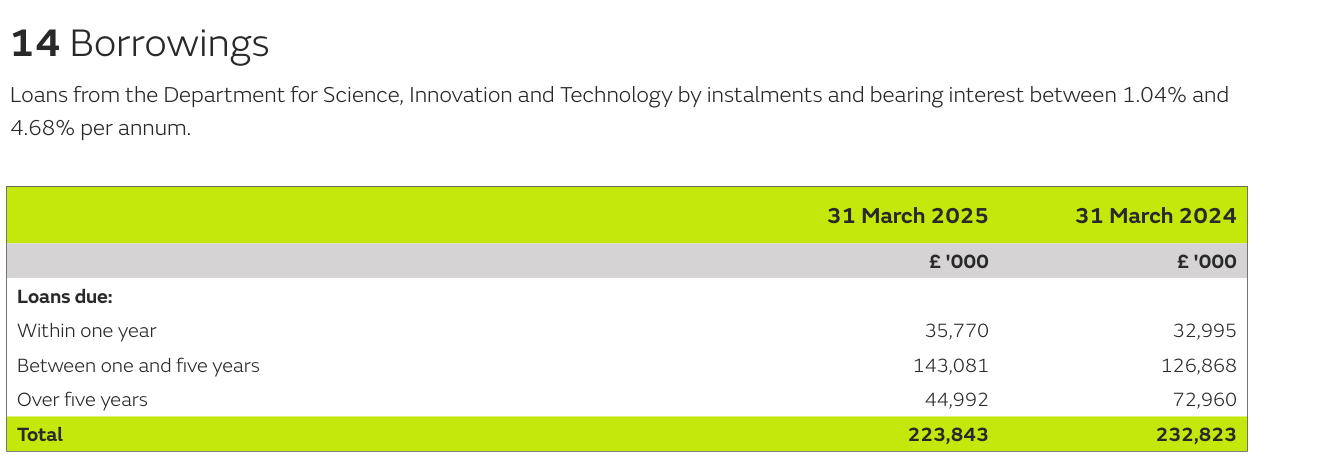
Published maturity notes show the end result, not the covenant analysis behind it. The Met Office's 2024/25 borrowing note splits loans into amounts due within one year, between one and five years and after five years. It does not show whether the Met Office has covenants.
A dated covenant schedule
We suggest collecting the signed facility agreement, every amendment and waiver, and confirmation of which entity is the borrower. For each covenant, record the exact metric and its definition, the period or balance date it measures, the date compliance is legally required, the date the lender assesses it and what a breach allows the lender to do. Calculate the metric from supported figures. Then record the right, grace period or waiver that was enforceable at the reporting date, rather than the refinancing that is expected. Where the wording is uncertain, get an appropriate interpretation of the contract before concluding.
Before sign-off
Give the reviewer the schedule with one column that answers a single question for each covenant: did the contract require compliance on or before the reporting date? That answer decides whether the covenant affects year-end classification. Then assess separately which note disclosures apply, because a covenant that affects classification can still need disclosing.