
Payroll reconciliation: check net pay, deductions and employer costs separately
A finalised pay run shows gross pay of 10,000. The bank shows 8,000 paid to employees. The ledger shows payroll cost of 10,800. In this hypothetical run, all three figures are right. The 2,000 between gross and net was deducted from employees and is owed to third parties. The 800 is an employer contribution on top of gross pay. A payroll reconciliation checks that the register, ledger and payment evidence agree, and explains any balance still owed or held by the provider.
Gross, net and employer cost are different numbers
Amounts are in generic currency units, not statutory rates. Gross pay of 10,000 less employee deductions of 2,000 gives net pay of 8,000. Employer contributions of 800 are an additional cost; they are not taken from the employee's net pay. Assume all deductions and contributions are owed onward to third parties, with no opening balances, benefits in kind, reimbursements, fees or costs allocated to inventory.
Post the pay run
The pay-run entry balances: debits of 10,800 equal credits of 8,000 + 2,800. Wages payable clears when employees are paid. The 2,800 remains a liability until it is settled under the actual payment arrangement.
| Entry | Debit | Credit |
|---|---|---|
| Pay run | Wage expense 10,000; employer contribution expense 800 | Wages payable 8,000; third-party payroll liabilities 2,800 |
| Pay employees | Wages payable 8,000 | Bank 8,000 |
| Pay third parties directly | Third-party payroll liabilities 2,800 | Bank 2,800 |
- Under these narrow assumptions, total expense and total cash paid are both 10,800, though on different dates.
- In real payroll, accruals, benefits or period differences can stop the two matching.
A bank debit does not prove the authority was paid
Providers and software handle tax money differently. Intuit's US help for QuickBooks describes one setup where the provider's withdrawal reduces bank and increases a tax-holding asset, and the later payment to the agency reduces that asset and the tax liability. Where tax is paid to the agency directly, bank and liability move together. Some setups have no holding account.
Before treating a liability as settled, check the provider's statement and remittance status, not only the bank debit. Roll each liability forward. As a separate illustration: opening 500 plus additions of 2,800 less evidenced settlements of 2,500 leaves 800. If that 800 is genuinely owed, a nil balance would be the wrong target.
Sources and context, checked :
The checks for each pay run
We suggest working from the final register, journal, payment report and bank evidence for the same legal entity and pay-run identifier:
- Recalculate gross less employee deductions to net, then add employer costs separately.
- Compare each mapped expense and liability with the posted journal.
- Tie net pay to employee payments, including rejected or returned payments and off-cycle runs.
- Roll forward every liability: opening, additions, settlements and justified adjustments.
- Give each difference an owner and a date, and fix its cause instead of posting a balancing wage entry.
- Restrict access to the evidence, which contains personal information.
What these checks will not catch
These checks test consistency between the payroll records, ledger and payments. A matching reconciliation can still contain an unauthorised employee, a wrong rate, wrong recipient bank details or a mapping error repeated consistently, and an employee left out of the run can pass every check. Authorising the payroll and checking its source data are separate controls.
US federal employers: the year-end comparison
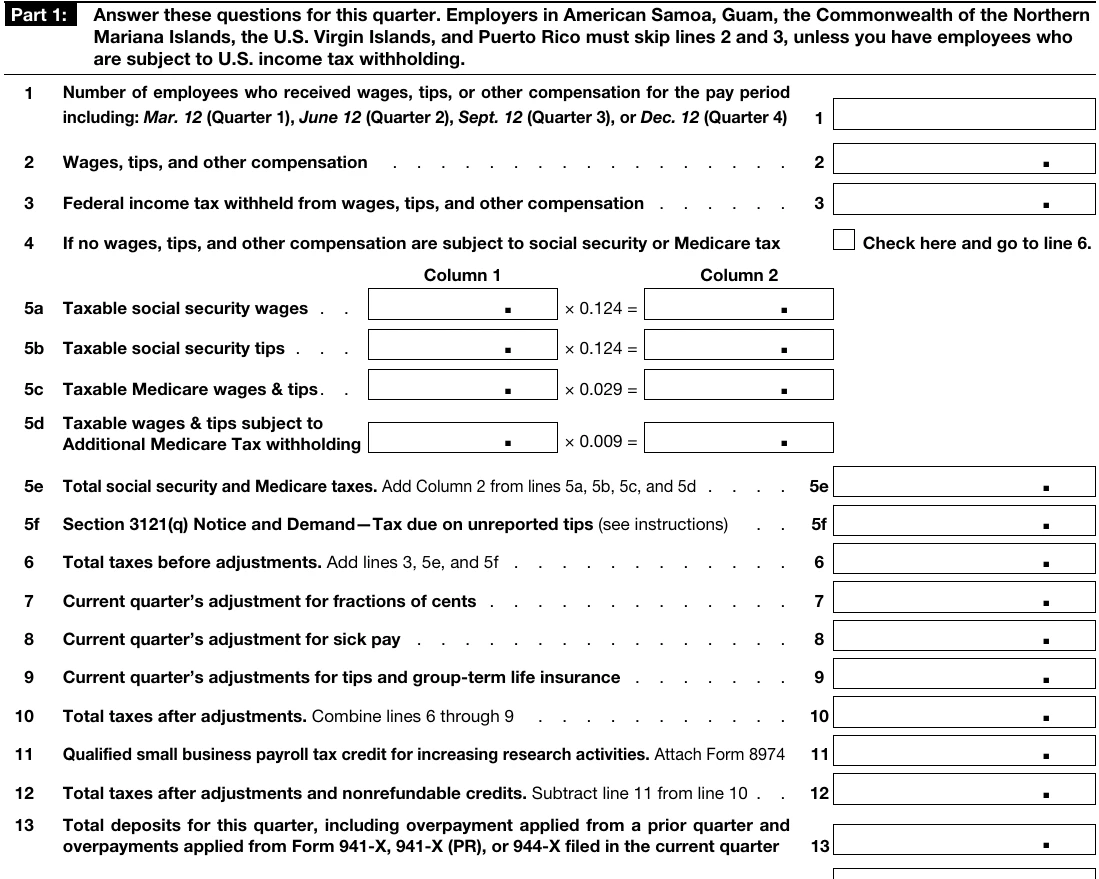
For US federal employment taxes, IRS Publication 15 for 2026 tells employers to reconcile Form W-3, whose totals come from the year's Forms W-2, with the four quarterly Forms 941, or with Form 943 or 944 where those apply. The comparison covers federal income tax withheld and social security and Medicare wages and taxes.
Do not expect one total to be exactly double the other. The employment tax returns generally include both employee and employer shares of social security and Medicare tax, while the W-3 shows the employee share, and valid differences exist, such as Additional Medicare Tax, which has no employer share. The reconciliation should explain each mismatch. The IRS also says to keep employment tax records for at least four years. This comparison belongs to the US federal system only, separate from the generic example above.
Sources and context, checked :