Current tax payable: reconcile the bill separately from tax expense
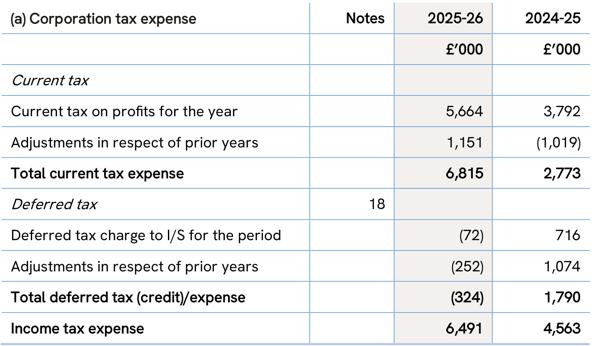
Current tax expense, total tax expense, cash paid and the closing tax payable answer different questions. A period-by-period rollforward connects them.

Keep the books in order, plan for cash needs and understand reporting changes. Practical guides with worked examples and links to the evidence.
Current tax expense, total tax expense, cash paid and the closing tax payable answer different questions. A period-by-period rollforward connects them.
A deferred selling price can include interest. Assess the financing purpose and exceptions, then separate the cash selling price from interest over the payment period.
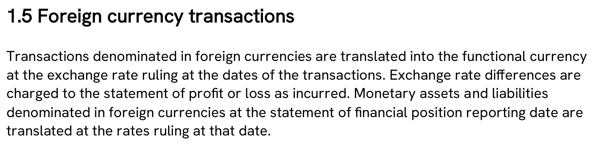
A buyer can recognise one purchase using several exchange rates. Keep each non-monetary advance at its own rate and separate the unpaid monetary balance.
A funding failure before accounts are authorised can change the basis of preparation. Distinguish material uncertainty from having no realistic alternative to closure.
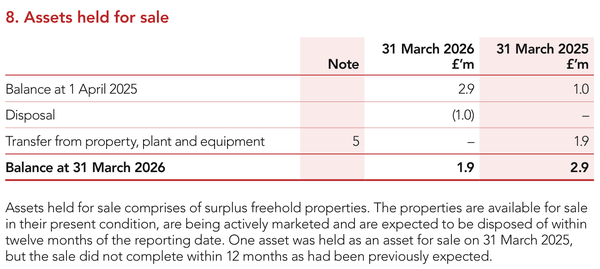
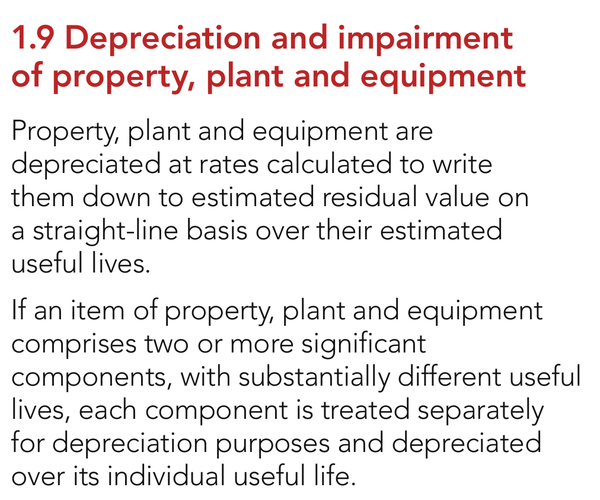
A sale intention does not stop depreciation. Establish when all IFRS 5 criteria are met, then compare carrying amount with fair value less costs to sell.
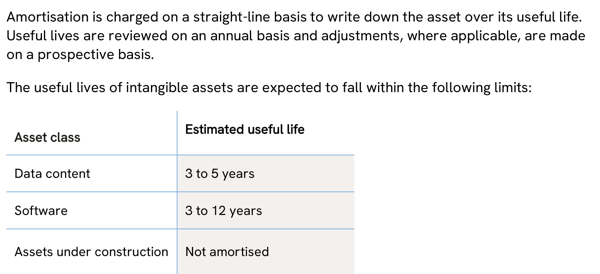
A ten-year licence may support only six years of economic use. Decide the life, the availability date and the annual review before calculating amortisation.
Classify a mixed-use building from its use and whether the portions can be separated. Rental income alone does not put the whole property under IAS 40.
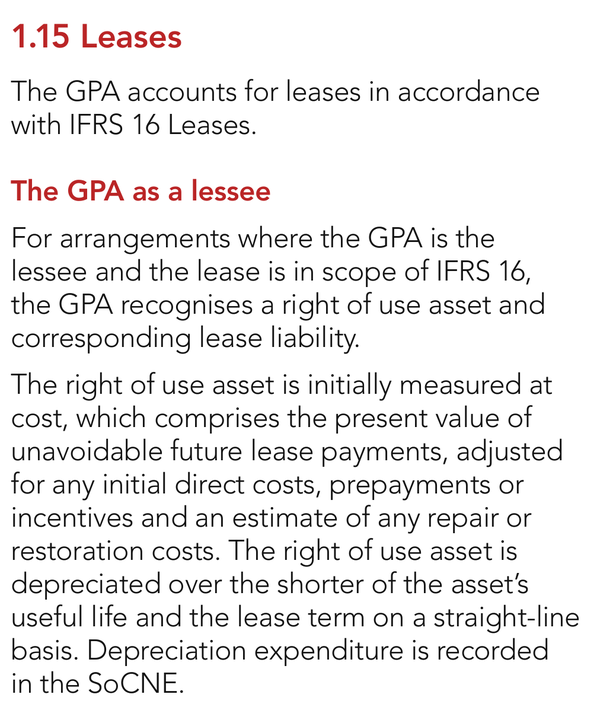
Measure the unpaid lease payments first, then reconcile prepaid rent, incentives and qualifying direct costs to the right-of-use asset. Keep the two schedules separate.
Capitalising a qualifying major inspection also requires removing the previous inspection component. Routine servicing and a future inspection budget follow different rules.
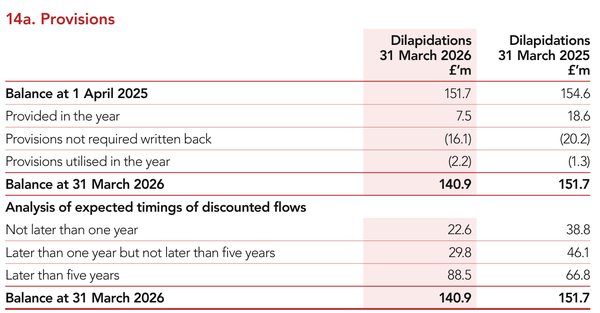
A qualifying restoration obligation can add to plant cost at present value. Separate the finance cost of time passing from a later change in the estimate.
Two deposits mature on the same day but can belong in different cash-flow totals. Acquisition date, purpose and risk matter, as do the overdraft terms.
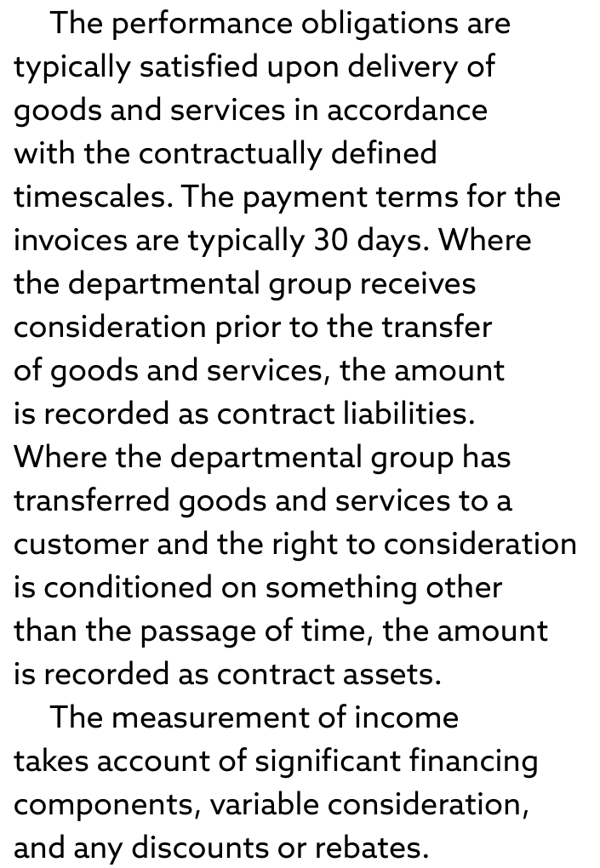
An approved contract change can create a separate contract, change future revenue or require a catch-up. Work through the distinctness and pricing tests.