Construction reverse charge: who accounts for the VAT?
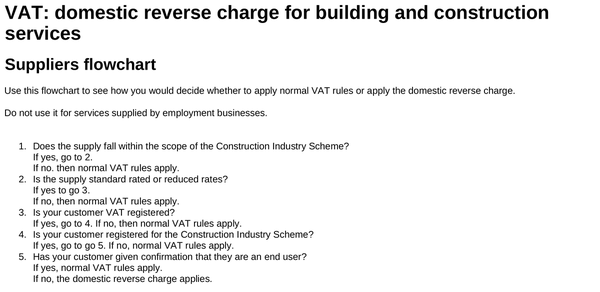
How UK construction suppliers and customers can test the domestic reverse charge, word invoices and complete their VAT returns.

Keep the books in order, plan for cash needs and understand reporting changes. Practical guides with worked examples and links to the evidence.
How UK construction suppliers and customers can test the domestic reverse charge, word invoices and complete their VAT returns.
How UK close companies can separate the s455 charge, repayment relief and the individual beneficial loan check on a shareholder-director's loan.
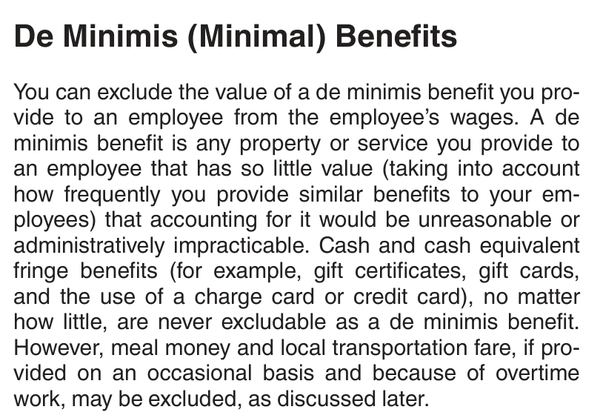
Why US employers should send general-purpose employee gift cards through payroll, whatever the amount.
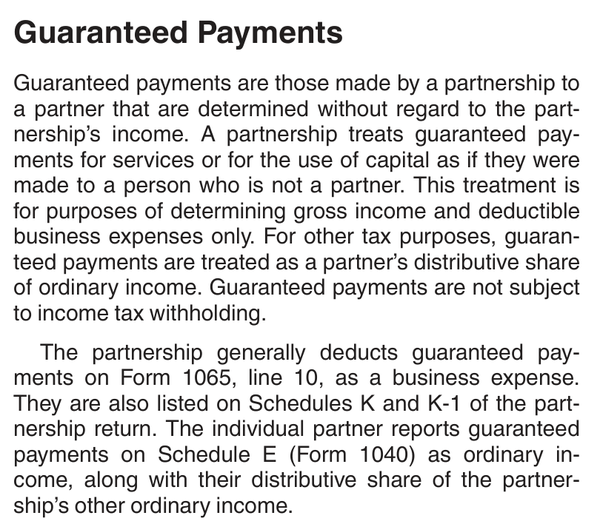
How to separate a US partner's fixed service payment, profit share and cash distribution before reconciling what they received.
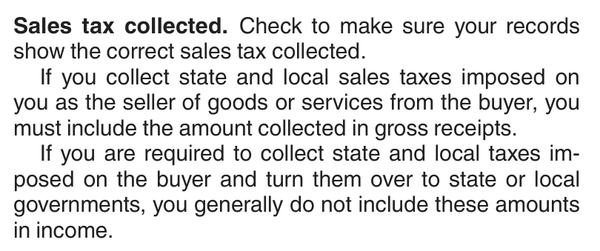
How a US Schedule C business can treat buyer-imposed sales tax collections and reconcile the amount it still owes.
How UK dealers in ordinary second-hand goods can check eligibility, calculate margin VAT and complete the VAT return figures.
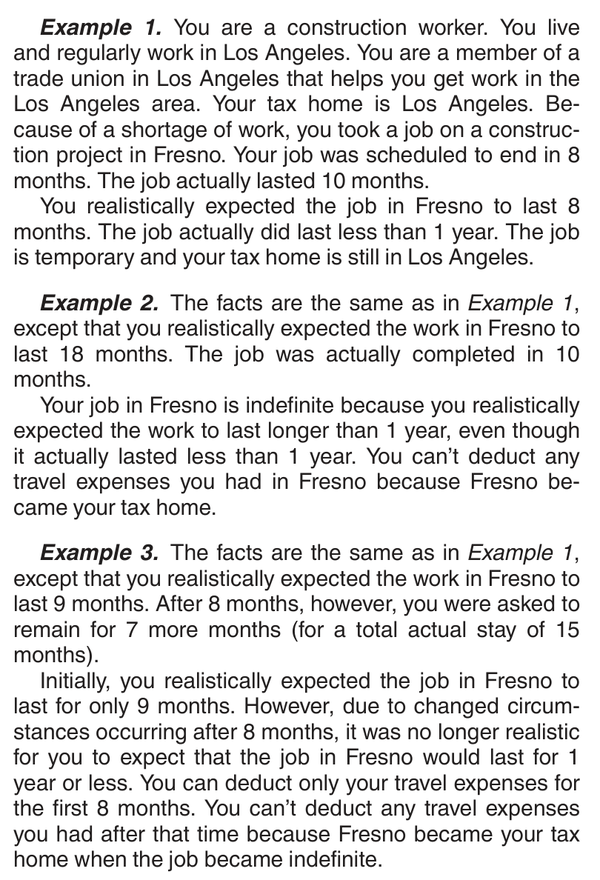
How self-employed US business owners can identify a tax home and date the point when a temporary assignment becomes indefinite.
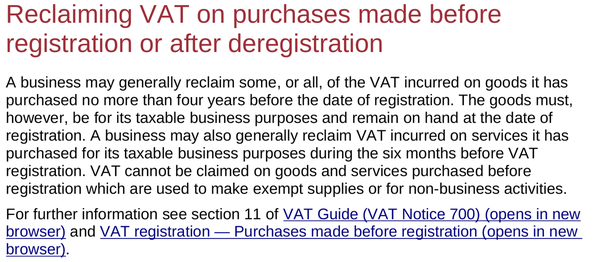
How newly VAT-registered UK businesses can test earlier purchases before claiming them on the first VAT return.
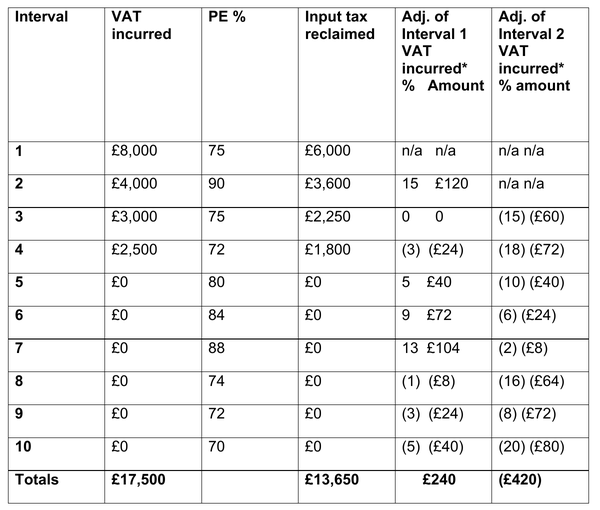
How UK VAT teams calculate a Capital Goods Scheme adjustment against the first-interval baseline and keep existing and new items apart.
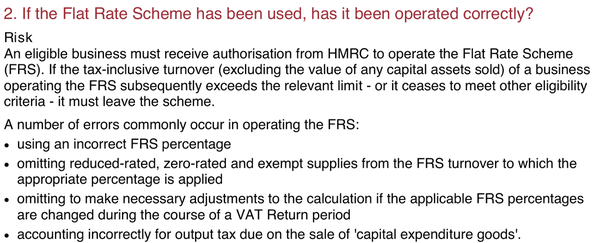
How businesses on the VAT Flat Rate Scheme can run the limited cost test using qualifying goods and turnover for the same return period.
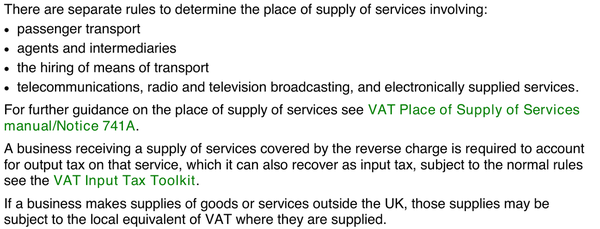
How UK VAT-registered businesses can classify overseas service invoices and record the reverse charge on their VAT return.
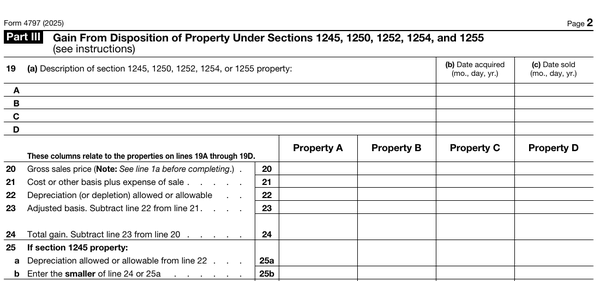
How US small businesses can reconcile a machine sale to adjusted tax basis, federal gain and section 1245 recapture.