US business bad debts: an unpaid invoice may have no tax deduction
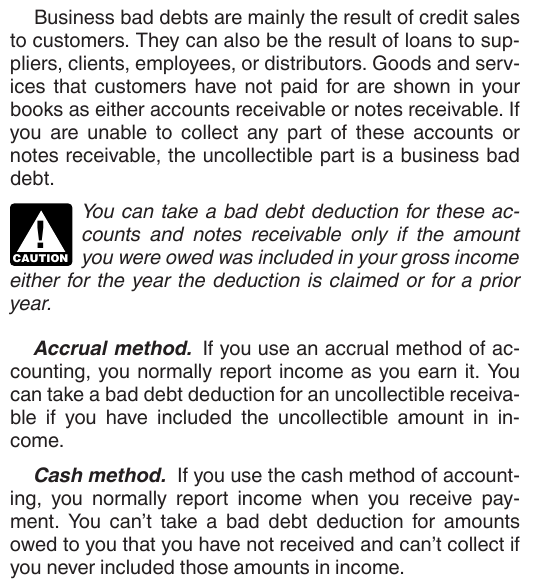
How US small businesses can test tax basis and worthlessness before treating a book write-off as a federal bad debt deduction.

Keep the books in order, plan for cash needs and understand reporting changes. Practical guides with worked examples and links to the evidence.
How US small businesses can test tax basis and worthlessness before treating a book write-off as a federal bad debt deduction.
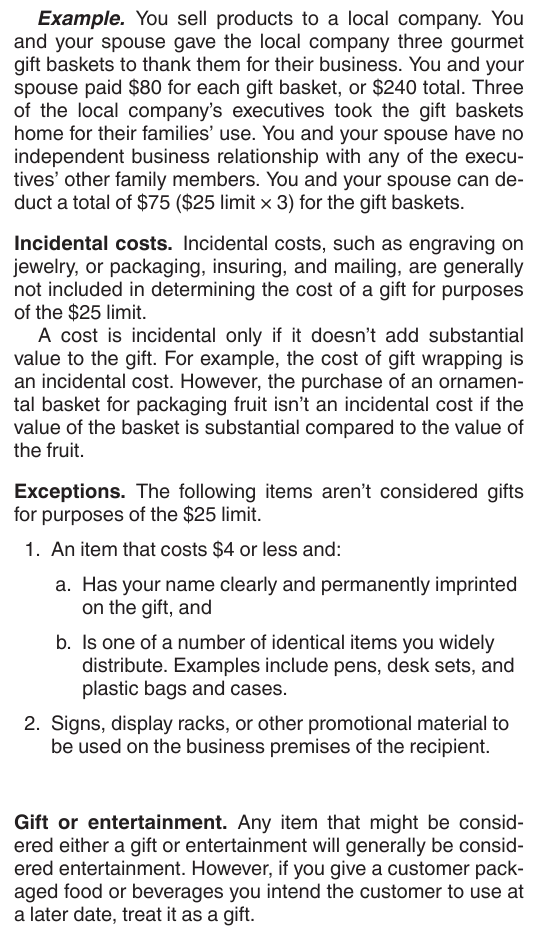
How US small businesses can apply the federal $25 business gift limit by recipient across the tax year.
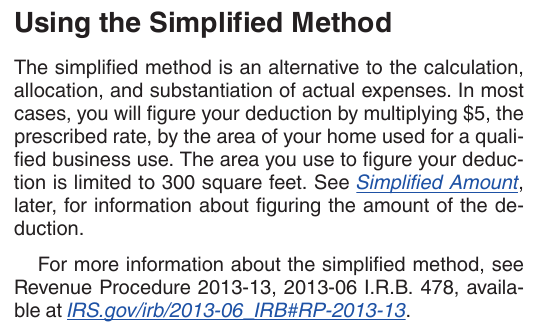
How self-employed US Schedule C filers can test a home office and compare the simplified and actual-expense methods.
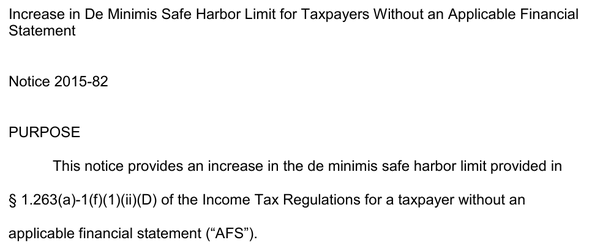
How US small businesses can use the federal de minimis safe harbor and what happens to costs above the limit.
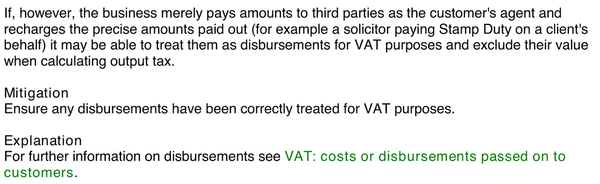
How UK VAT-registered service firms can tell a true disbursement from a recharge before preparing a customer invoice.
How UK VAT-registered businesses choose a road-fuel method and apply the correct scale charge to cars with private use.
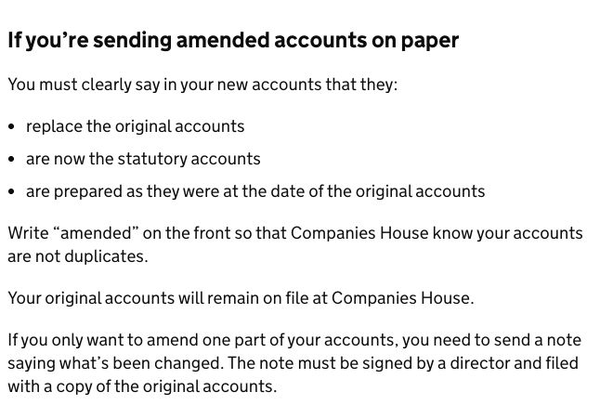
Replacement accounts cover the original period and do not erase the first filing. Track Companies House submission and any Company Tax Return amendment separately.
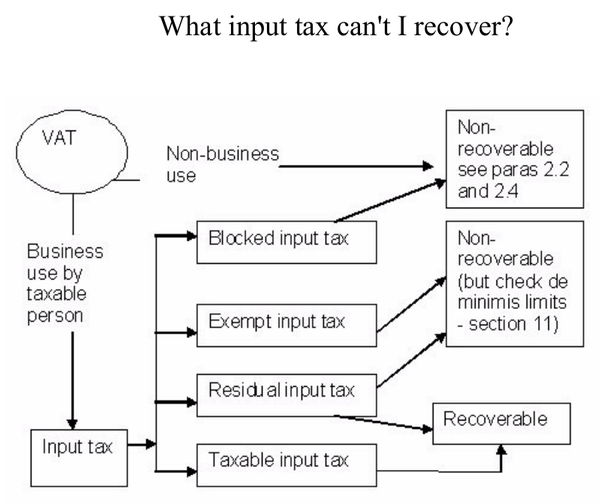
A hypothetical annual partial-exemption calculation increases recoverable VAT from £36,000 to £40,000. Test de minimis and use the correct adjustment return.
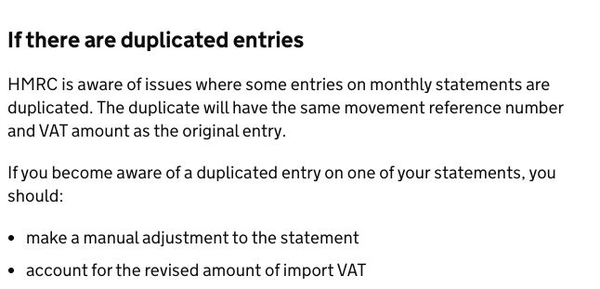
Reconcile postponed import VAT by movement reference and customs evidence. A hypothetical £8,000 statement needs a £3,000 supported duplicate adjustment.
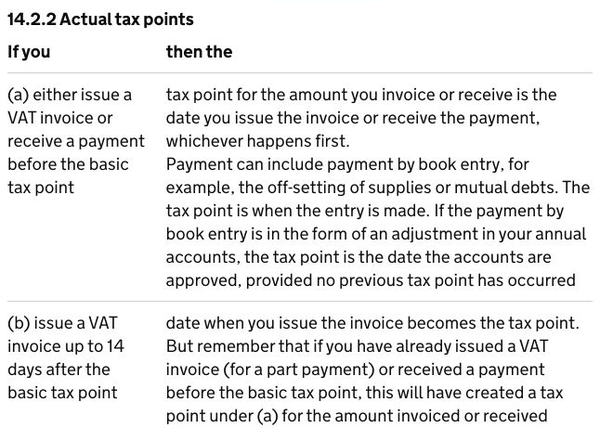
A deposit, dispatch and later invoice can put VAT from one goods order into two quarters. Track the amount covered by each tax point without counting it twice.
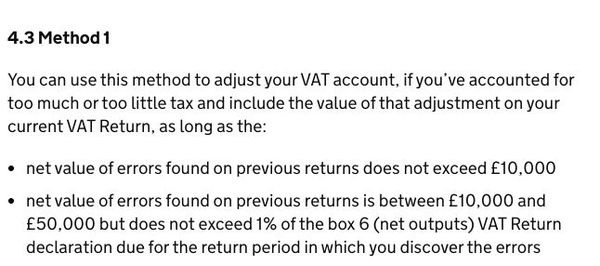
The same £15,000 VAT error can use different correction routes. Work the VAT amounts, current discovery-period box 6 and separate disclosure conditions.
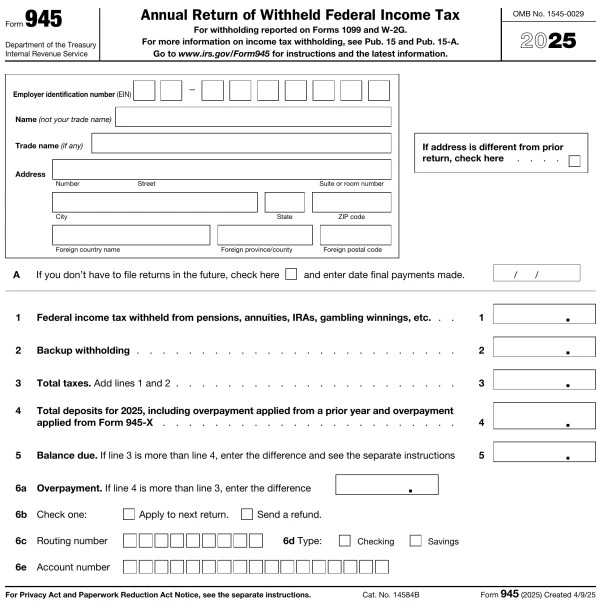
Follow a hypothetical $3,000 contractor payment through $2,280 vendor cash, $720 backup withholding and the separate Form 945 payment review.